
Property Damage?
Don't Take Chances! Call the Top Disaster
Recovery Company in Bothell and get cleaned up FAST!



Why Choose Us?
- Free Estimates
- Available 24/7/365
- 60 Minute Rapid Response
- Fully Licensed And Insured
- We Work With Your Insurance Company
Call Now (425) 669-1584



Water Damage Restoration in Bothell, Washington
Water damage can spread beyond the room where it starts. A failed sump pump, burst pipe, roof leak, sewer backup, or heavy rain can soak flooring, drywall, insulation, cabinets, and the materials below them. Our team provides water damage restoration in Bothell and nearby communities, helping property owners remove standing water, control the source, dry the structure, and plan the repairs that bring the space back toward normal use.
We help homeowners, landlords, property managers, and commercial property owners with losses of many sizes. That includes a wet room, a finished basement, a crawl space, a rental unit, or a larger office, retail, or flex-space building. If water has moved through shared walls, floors, or utility areas, we work with you to protect unaffected spaces and keep the cleanup organized.
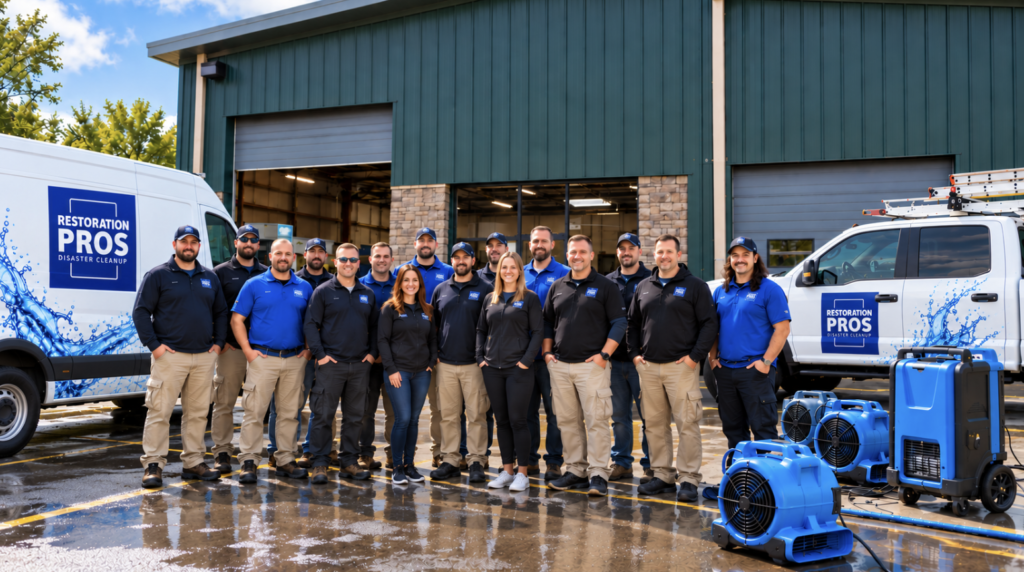
Our technicians start with an assessment instead of guessing from visible damage. We document affected areas, check moisture in the structure, and explain what we find. Water extraction removes what is still present, while air movers and dehumidifiers support controlled drying. Moisture readings and follow-up checks help show whether floors, walls, framing, and other materials are drying as planned. IICRC certified techs, registered with the BBB, handle the work with clear communication from the first inspection through repair planning.
Water Removal and Structural Drying
The first step is to identify and control the source when it is still active. Our crew then removes standing water with extraction equipment and checks how far the loss traveled. Water can move under carpet and pad, through subflooring, behind baseboards, into cabinets, and inside wall cavities. Finding those hidden wet areas early helps limit additional damage and gives you a clearer plan.
Drying is controlled rather than rushed. We place air movers and dehumidifiers based on the affected materials and room conditions. Moisture meters help track progress, and thermal imaging is used when it helps locate temperature differences linked to trapped moisture. If odors or airborne particles are a concern during cleanup, air scrubbers may be used when appropriate. Once the area is dry, we clean affected surfaces and discuss the repair needs for flooring, drywall, insulation, cabinets, or other materials.
Homes, Rentals, and Commercial Buildings
Older Bothell homes often have aging supply lines, drains, roofs, crawlspaces, or limited moisture control. Newer townhomes and apartments bring different concerns because water can travel through shared walls, floors, and utility spaces. We document the affected areas so owners and property managers can coordinate access, protect contents, and understand which spaces need attention first.
Commercial losses need a practical plan around people, equipment, inventory, and business operations. In office, laboratory, retail, and flex-space buildings, equipment placement and access can affect how drying is set up. Our team separates affected areas from spaces that remain usable, communicates progress, and adjusts the work around occupied areas when the property layout permits.
Water Damage Risks Around Bothell
Bothell properties near North Creek and other low-lying areas can face saturated soil, runoff, damp crawlspaces, or water entering lower floors after prolonged rain. Downtown mixed-use buildings may also have shared spaces and multiple occupants, which makes early moisture mapping and clear access planning important. Fall and winter bring heavier rain, wind, blocked gutters, roof leaks, and drainage problems. Cold snaps can also freeze pipes in garages, crawlspaces, vacant units, and poorly insulated areas. Spring rain and snowmelt can keep soil saturated and push water toward basements or lower levels.
Weather is not the only cause of a loss. Appliance leaks, plumbing failures, irrigation problems, and sudden indoor water releases happen during drier months too. Wet roads and standing water along busy routes can affect access, so we keep communication clear when arranging entry, equipment placement, or follow-up monitoring.